


 October is National Popcorn Poppin’ Month
Who knew? For more than 30 years, October has been celebrated as National Popcorn Poppin’ Month; however, it became “official” in 1999, when then Secretary of Agriculture Dan Glickman proclaimed October as National Popcorn Poppin’ Month.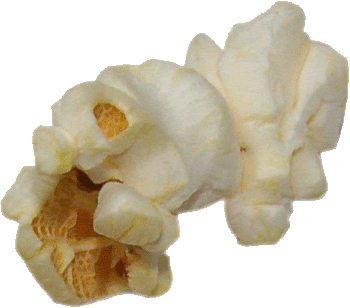
While every day is a great day for celebrating popcorn, they chose the month of October because of the popcorn harvest which takes place each fall in the Midwest. Each year when the new crop is harvested, it reminds us popcorn will always be the naturally fun snack for the entire family. Popcorn Poppin’ Month is the perfect time to celebrate popcorn!
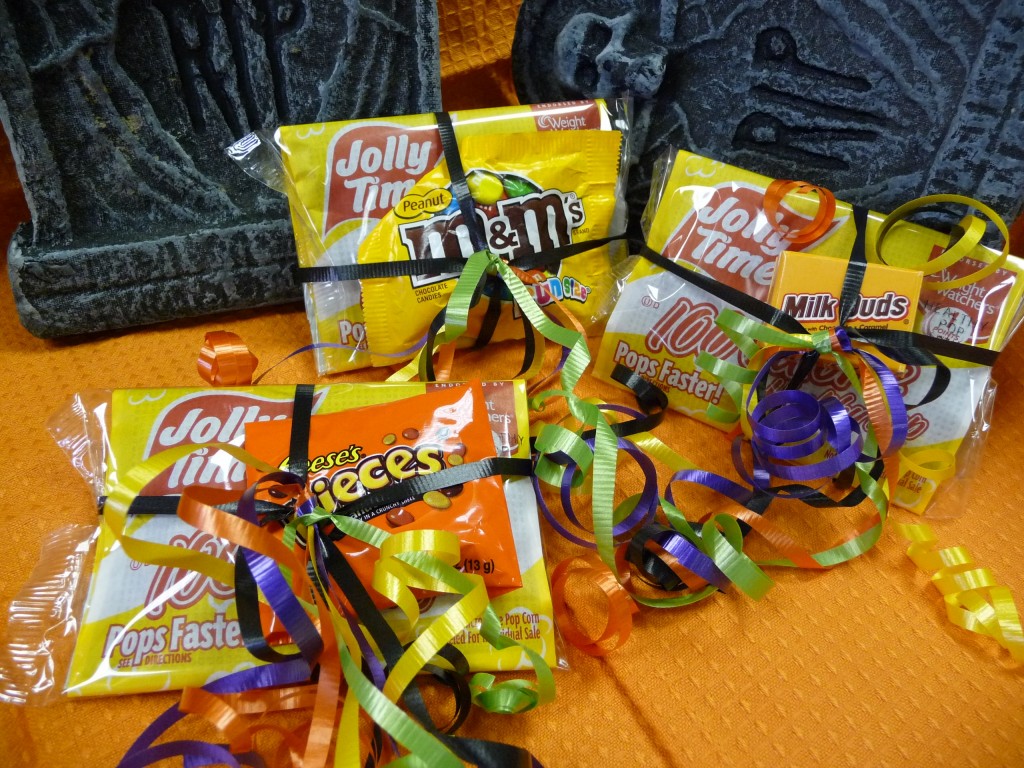
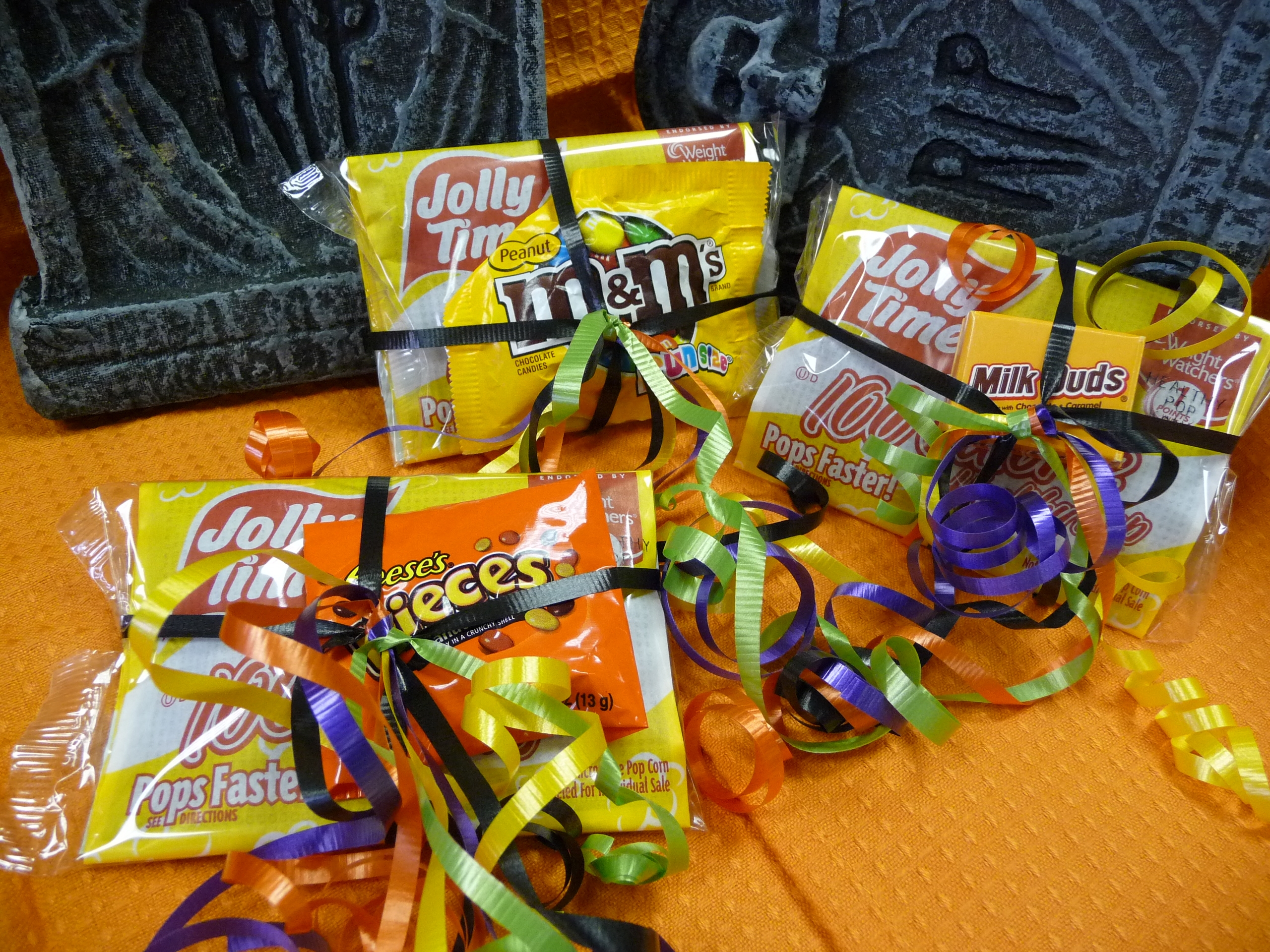
And you can really celebrate with some Jolly Time popcorn! Have you thought about handing out Jolly Time mini bags for Halloween? Parents will be thrilled when their little tricksters come home with a healthier alternative to sugary trick-or-treat candy.
Jolly Time Popcorn is gluten-free and high fiber – the perfect snack for a healthier you!
Visit their Facebook Page here, and follow Jolly Time on Twitter here!
For some wonderful recipes from Jolly Time: click here
And check out some of the great free stuff you can get from Jolly Time! Just click here!

Corny Facts
- Americans consume some 16 billion quarts of this whole grain, good-for-you treat. That’s 51 quarts per man, woman, and child.
- Compared to most snack foods, popcorn is low in calories. Air-popped popcorn has only 31 calories per cup. Oil-popped is only 55 per cup.
- Popcorn is a type of maize (or corn), a member of the grass family, and is scientifically known as Zea mays everta.
- Of the 6 types of maize/corn—pod, sweet, flour, dent, flint, and popcorn—only popcorn pops.
- Popcorn is a whole grain. It is made up of three components: the germ, endosperm, and pericarp (also know as the hull).
- Popcorn needs between 13.5-14% moisture to pop.
- Popcorn differs from other types of maize/corn in that is has a thicker pericarp/hull. The hull allows pressure from the heated water to build and eventually bursts open. The inside starch becomes gelatinous while being heated; when the hull bursts, the gelatinized starch spills out and cools, giving it its familiar popcorn shape.
- Most U.S. popcorn is grown in the Midwest, primarily in Indiana, Nebraska, Ohio, Illinois, Iowa, Kentucky and Missouri.
- Many people believe the acres of corn they see in the Midwest during growing season could be picked and eaten for dinner, or dried and popped. In fact, those acres are typically field corn, which is used largely for livestock feed, and differs from both sweet corn and popcorn.
- The peak period for popcorn sales for home consumption is in the fall.
- Most popcorn comes in two basic shapes when it’s popped: snowflake and mushroom. Snowflake is used in movie theaters and ballparks because it looks and pops bigger. Mushroom is used for candy confections because it doesn’t crumble.
- Popping popcorn is one of the number one uses for microwave ovens. Most microwave ovens have a “popcorn” control button.
- “Popability” is popcorn lingo that refers to the percentage of kernels that pop.
- There is no such thing as “hull-less” popcorn. All popcorn needs a hull in order to pop. Some varieties of popcorn have been bred so the hull shatters upon popping, making it appear to be hull-less.
- How high popcorn kernels can pop? Up to 3 feet in the air.
- The world’s largest popcorn ball was created by volunteers in Sac City, Iowa in February, 2009. It weighed 5,000 lbs., stood over 8 ft. tall, and measured 28.8 ft. in circumference.
- If you made a trail of popcorn from New York City to Los Angeles, you would need more than 352,028,160 popped kernels!




Speak Your Mind